Module 2: Foundations of mathematical thinking
EDUC 315 - Howard University
What is Problem Solving?
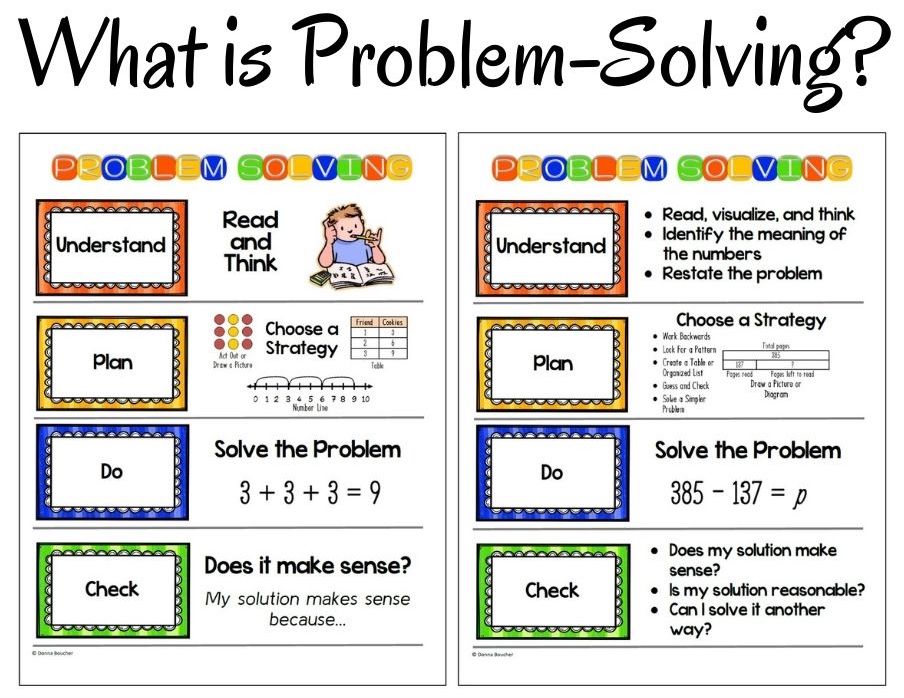
The heart of mathematical thinking where students make sense of and solve new problems.
Emphasis on a systematic approach to build students’ confidence and skill development.
Classroom Application
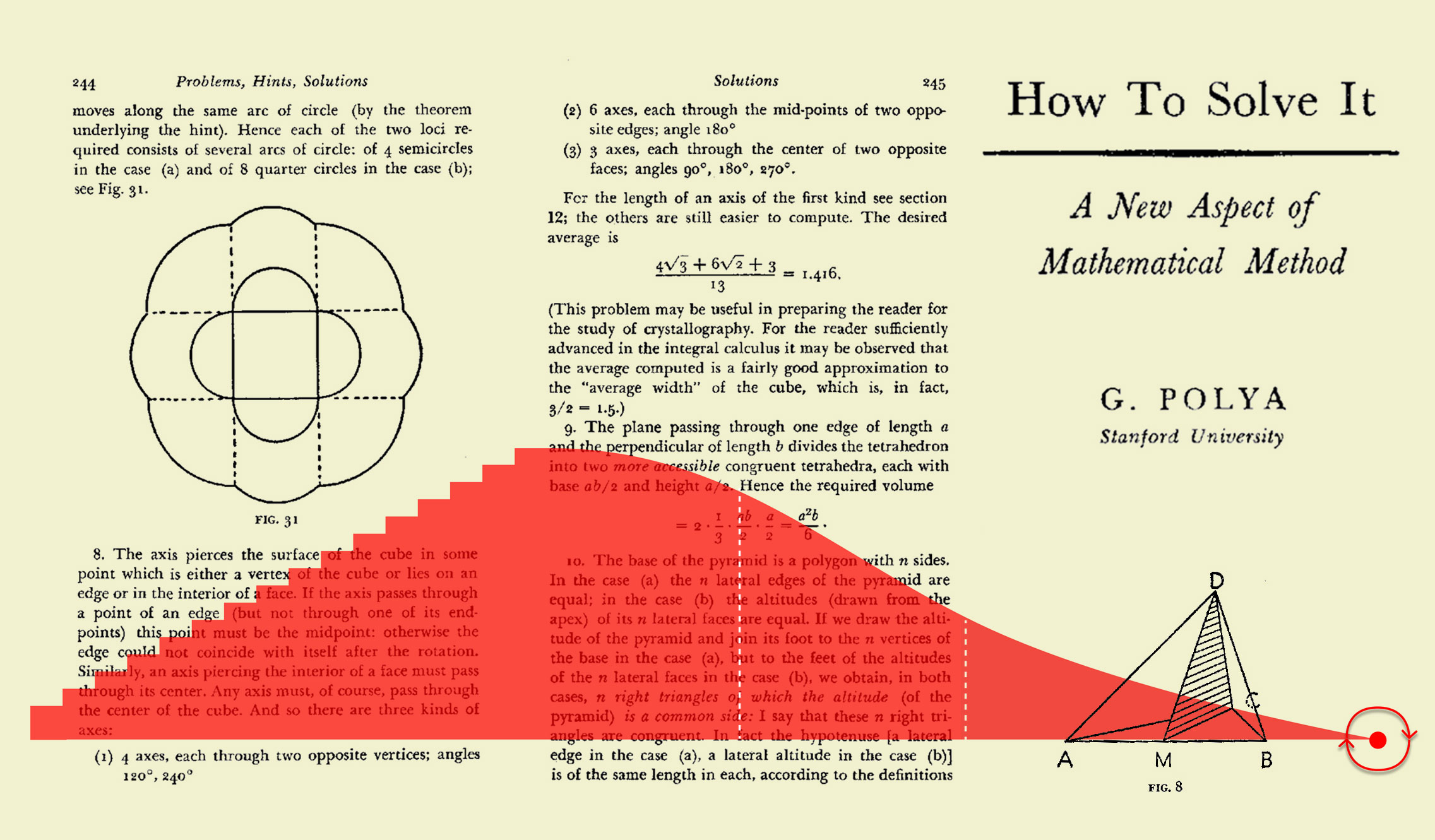
Practice using Polya’s framing in the development of your mathematics activities.
How can this method can be taught explicitly to students to build metacognition and resilience?
What is CRA?
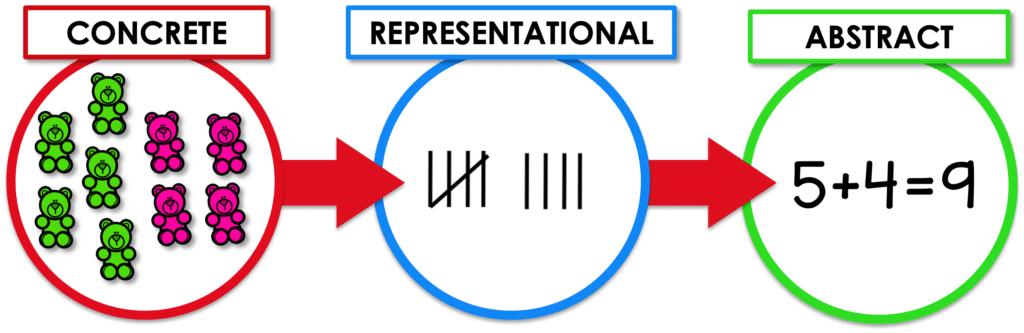
An instructional framework that supports conceptual understanding by moving learners through three stages:
Concrete: Use physical objects or manipulatives (e.g., blocks, counters).
Representational: Use drawings, diagrams, or visual models of concrete objects.
Abstract: Use numbers, symbols, and equations without physical aids.
Integrating CRA with Polya’s Problem Solving
Use CRA stages to support the ‘Understand’ and ‘Devise a plan’ steps.
Move students gradually from hands-on experiences to symbolic reasoning as they solve problems.
Developing Logical Thinking
- Introduce sets, number systems, and basic logical reasoning to prepare teachers for promoting mathematical thinking.
Reflection and Discussion
How can you support students struggling with abstract reasoning?
How can CRA and Polya’s method build confidence in math learning?
Developing math activities
Math activities are a necessity in any elementary school classroom!
Math activities may not be complete lessons or units that introduce a new topic but, instead, they can be used provide opportunities for your students to:
Learn new material in a fun and exciting way, or
Complete a different form of a math assessment that is not a test or quiz.
Math activities come in many different formats and they may be based on the amount of time that you have to use, sometimes at the start of a lesson, or on an idea or topic that does not require a full lesson, such as a review of an older topic.
When designing math activities, it is often useful to see what other teachers have done and consider ways to adapt them to your classroom and students. Often, there is no need to recreate the wheel, so make use of online resources and other tools that can give you idea. However, it is important to consider your own needs and priorities when modifying activities.
A good way to think about math activities is the timing, which is often tough with elementary school students. For example, if you have 15 minutes to complete an activity, you want to make sure that students will have ample time to do whatever is required. To that end, less if often more!
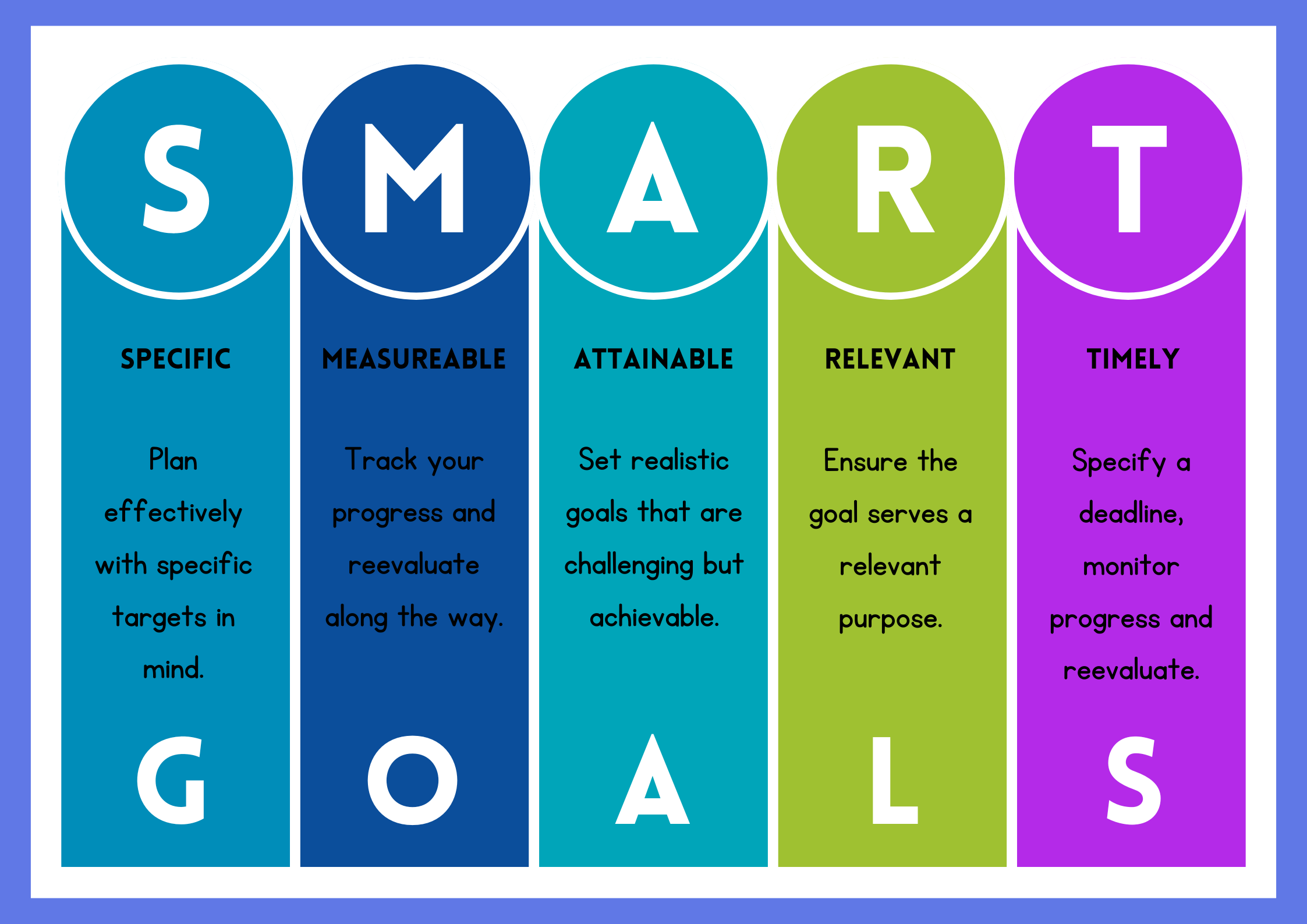
When planning a math activity, it is often useful to think about the specific students who will be engaging in the activity (their grade level), timing, and how these components can align with a very specific outcome or goal. For a quick example, consider the SMART goals for a way to think about your outcomes.
What are you considering for your math activity?
