Module 4: Strands of Mathematical Proficiency
EDUC 315 - Howard University
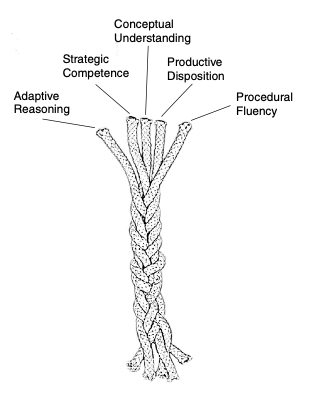
Five strands of mathematical proficiency
Kilpatrick and colleagues (National Research Council, 2001) identified five interdependent strands that together form a comprehensive definition of mathematical proficiency.
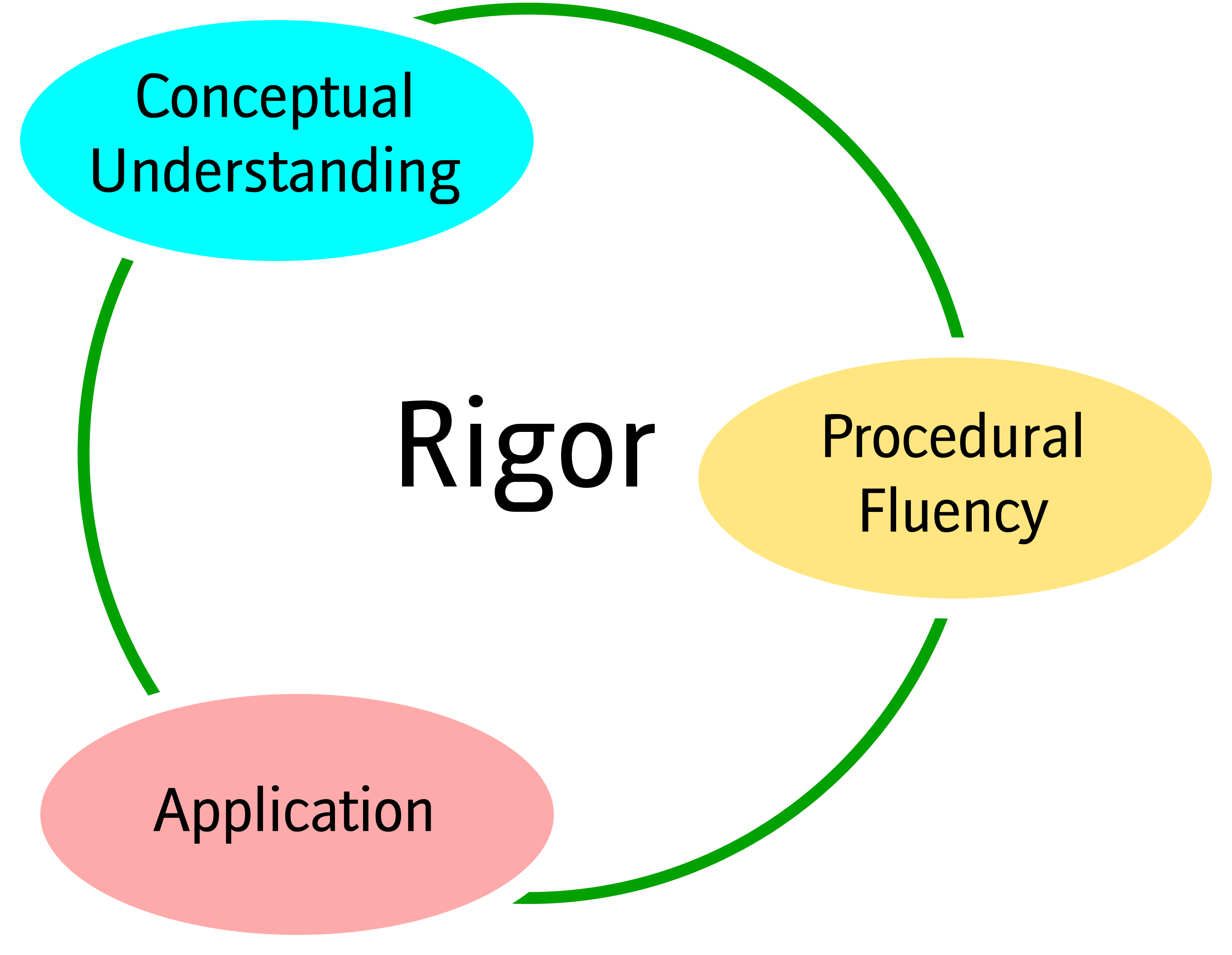
Procedural Fluency
Skill in carrying out mathematical procedures flexibly, accurately, efficiently, and appropriately.
Involves knowing procedures and using them correctly.
Includes the ability to select appropriate methods and apply algorithms based on the situation.
Procedural fluency
Conceptual Understanding
Comprehension of mathematical concepts, operations, and relationships.
Means having an integrated and functional grasp of ideas, not just memorizing facts.
Students should connect new knowledge with what they already know and represent mathematical situations in multiple ways.

Conceptual understanding
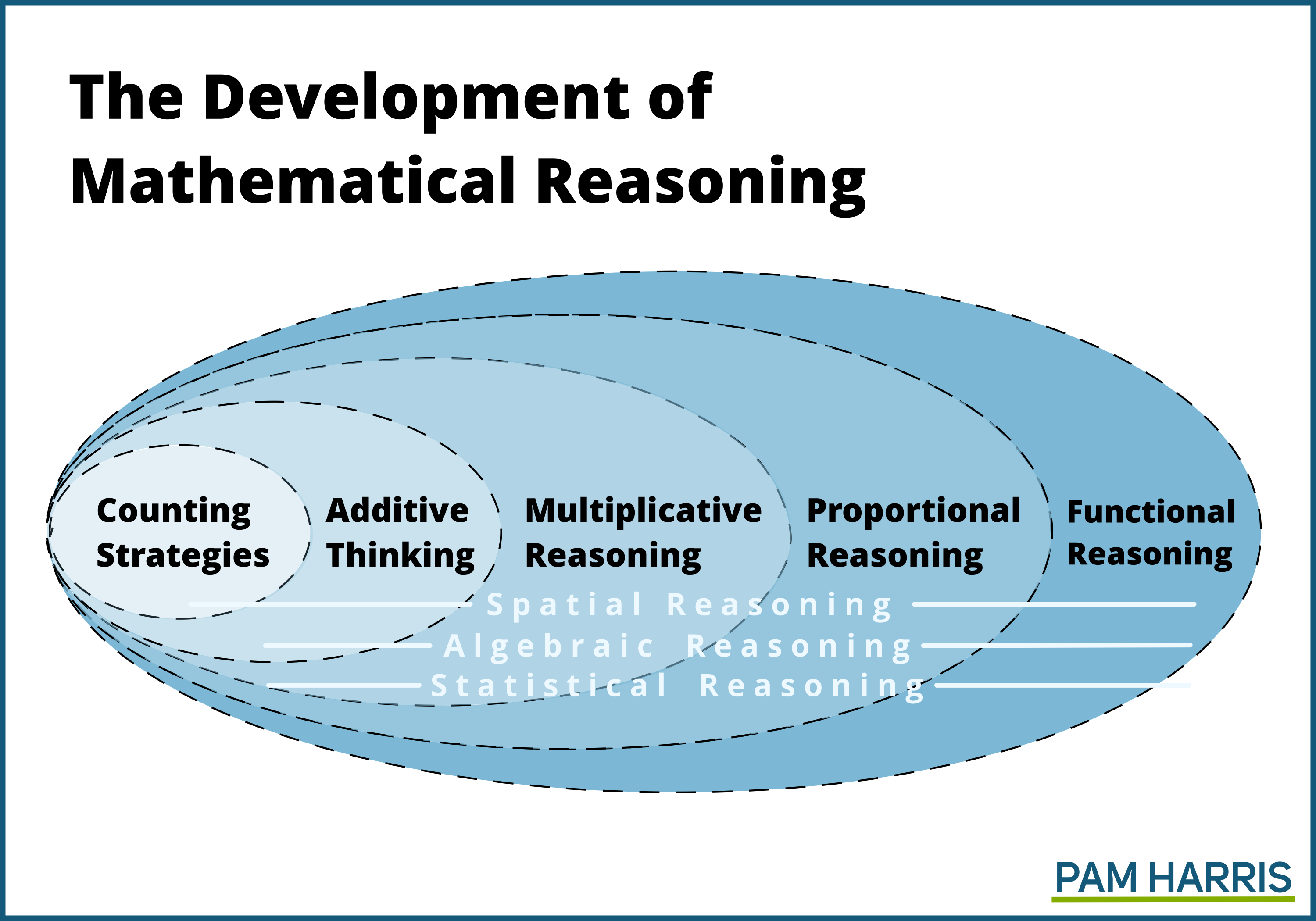
Adaptive Reasoning
Capacity for logical thought, reflection, explanation, and justification.
Enables students to explain and justify their strategies and solutions.
Supports the extension of knowledge from known concepts to unfamiliar situations.
Adaptive reasoning
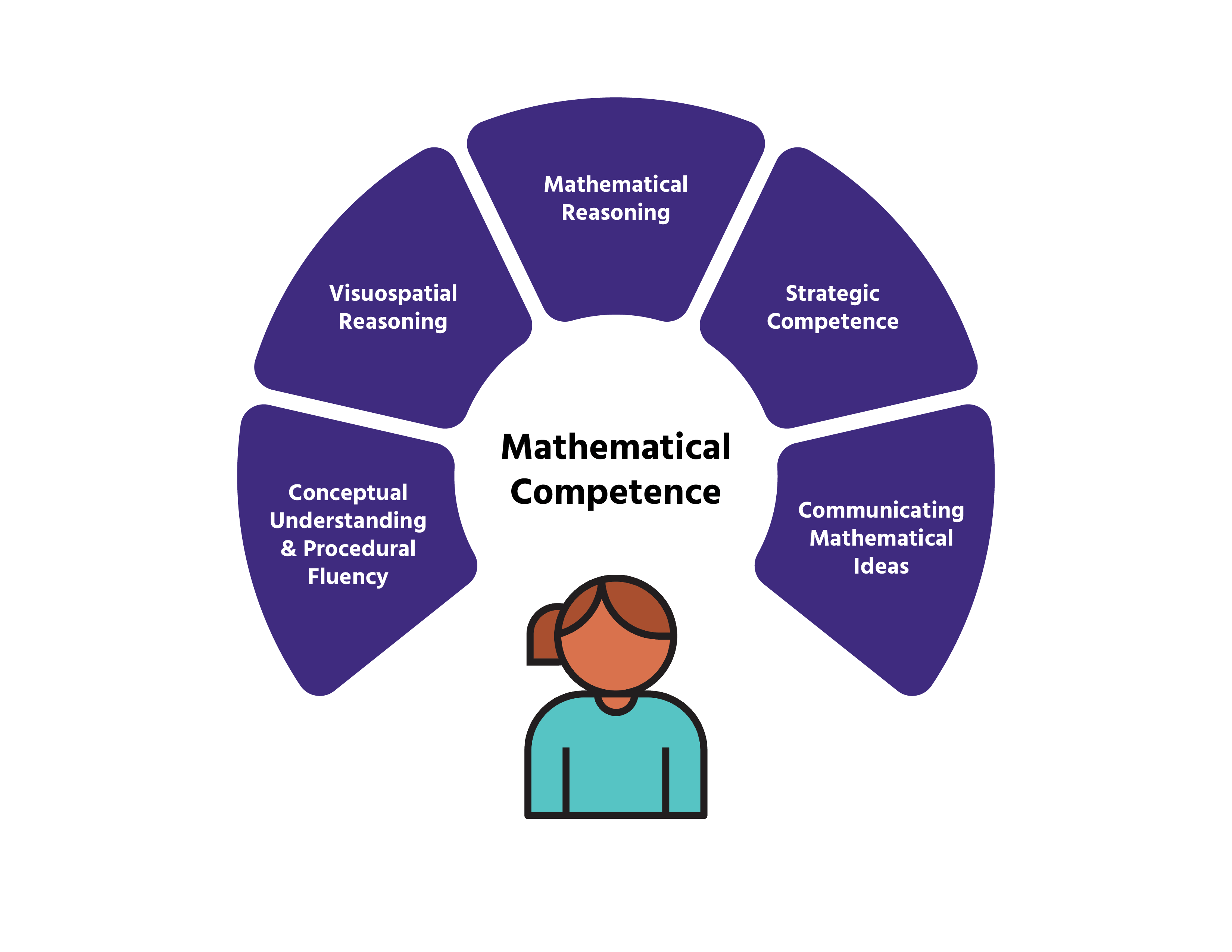
Strategic Competence
Ability to formulate, represent, and solve mathematical problems.
Involves devising and using strategies for both routine and non-routine problems.
Encourages flexible thinking when approaching mathematical challenges.
Strategic competence
Productive Disposition
Habitual inclination to see mathematics as sensible, useful, and worthwhile, paired with a belief in perseverance and personal efficacy.
Nurtures a positive attitude and sense of efficacy towards mathematics.
Students believe that effort leads to understanding and success.

Productive disposition
