Module 5: Lesson planning and assessment
EDUC 315 - Howard University
Module Overview
This module focuses on developing engaging and effective mathematics lessons for elementary students. We’ll explore creative teaching methods, organization of standards and activities, and strategies for improving assessments, particularly in the context of high-stakes testing.
Goals for the module
- Develop creative approaches to teaching mathematics that excite and engage young learners.
- Learn to effectively organize standards, lesson activities, and assessments.
- Improve assessment practices, especially in preparation for high-stakes testing.
Activity
Using Census data to make sense of the cities where we
Create a census api key
Use your google account on posit.co to create a RStudio project
We will use your census api key to create a series of maps of the city where you want to teach
Identify two census variables that you want to understand about the geospatial districution of those variables.
Save your map and provide a .Rmd file to .html on how what you found will inform your teaching
Option to create a teaching brief (.Rmd file to .html) on the city context based on your variables and suggestions for others who will live in the city as FINAL PROJECT.
Lecture and Discussion
Share
Creative Methods in Mathematics Teaching
Examples of Creative Teaching Methods:
Math Storytelling: Integrate mathematical concepts into narratives.
- Example: “The Great Shape Adventure” - a story where geometric shapes are characters solving problems.
Gamification: Turn math lessons into games.
- Example: “Fraction Bingo” or “Multiplication Race”
Hands-on Manipulatives: Use physical objects to represent mathematical concepts.
- Example: Using Lego bricks for addition and subtraction
Real-world Applications: Connect math to everyday situations.
- Example: Planning a class party budget
Technology Integration: Use interactive apps and software.
- Example: Geogebra for geometry exploration
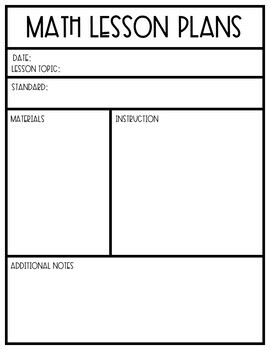
Organizing Standards and Lesson Activities
Steps for Organizing a Math Lesson:
Identify the Standard:
- Example: CCSS.MATH.CONTENT.3.NF.A.1 - Understand a fraction 1/b as the quantity formed by 1 part when a whole is partitioned into b equal parts.
Set Clear Objectives:
- Example: “By the end of the lesson, students will be able to represent and explain fractions using visual models.”
Plan Engaging Activities:
Opening: Fraction scavenger hunt in the classroom
Main Activity: Creating fraction art with colored paper
Closure: Peer teaching of fraction concepts
Incorporate Multiple Representations:
Visual: Fraction circles and number lines
Kinesthetic: Folding paper to show fractions
Symbolic: Writing fractions in numeric form
Differentiation Strategies:
Provide fraction tiles for struggling students
Challenge advanced students with equivalent fractions
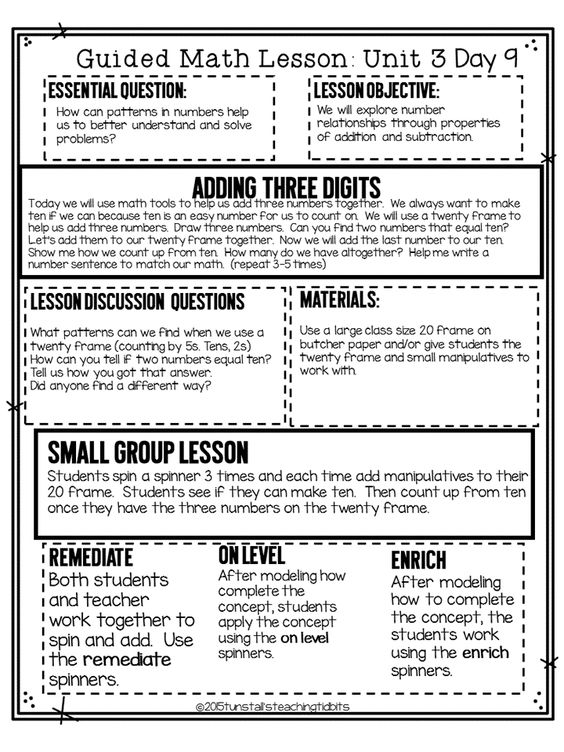
Improving Assessments for Elementary Mathematics

Strategies for Improved Math Assessments:
Formative Assessment Techniques:
Exit tickets: Quick problem-solving at lesson’s end
Think-Pair-Share: Students discuss solutions with peers
Digital polls: Real-time feedback on concept understanding
Performance-Based Assessments:
Math projects: Design a playground using geometric shapes
Math journals: Students explain their problem-solving process
Differentiated Assessments:
Tiered assignments: Varying complexity levels
Choice boards: Students select from assessment options
Test Preparation Strategies:
Regular practice with standardized question formats
Teaching test-taking strategies (e.g., eliminating wrong answers)
Stress-reduction techniques for test anxiety
Technology-Enhanced Assessments:
Adaptive online quizzes
Virtual manipulatives in digital assessments
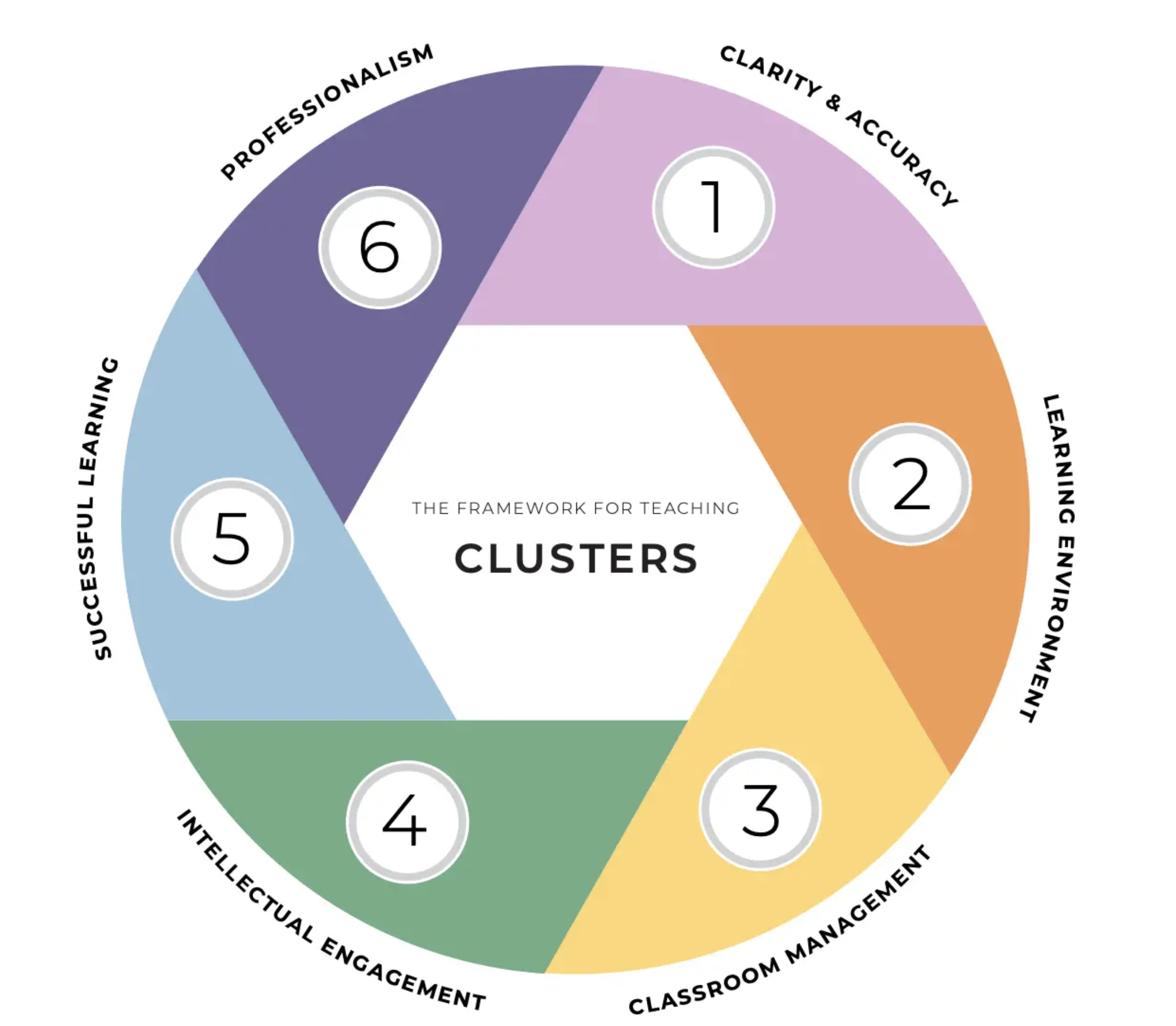
Teaching Framework
Lesson Plan Templates
Click the links below to access the templates. These can also be found on Canvas.